Beard transplant

Beard transplant

Beard transplant in Istanbul

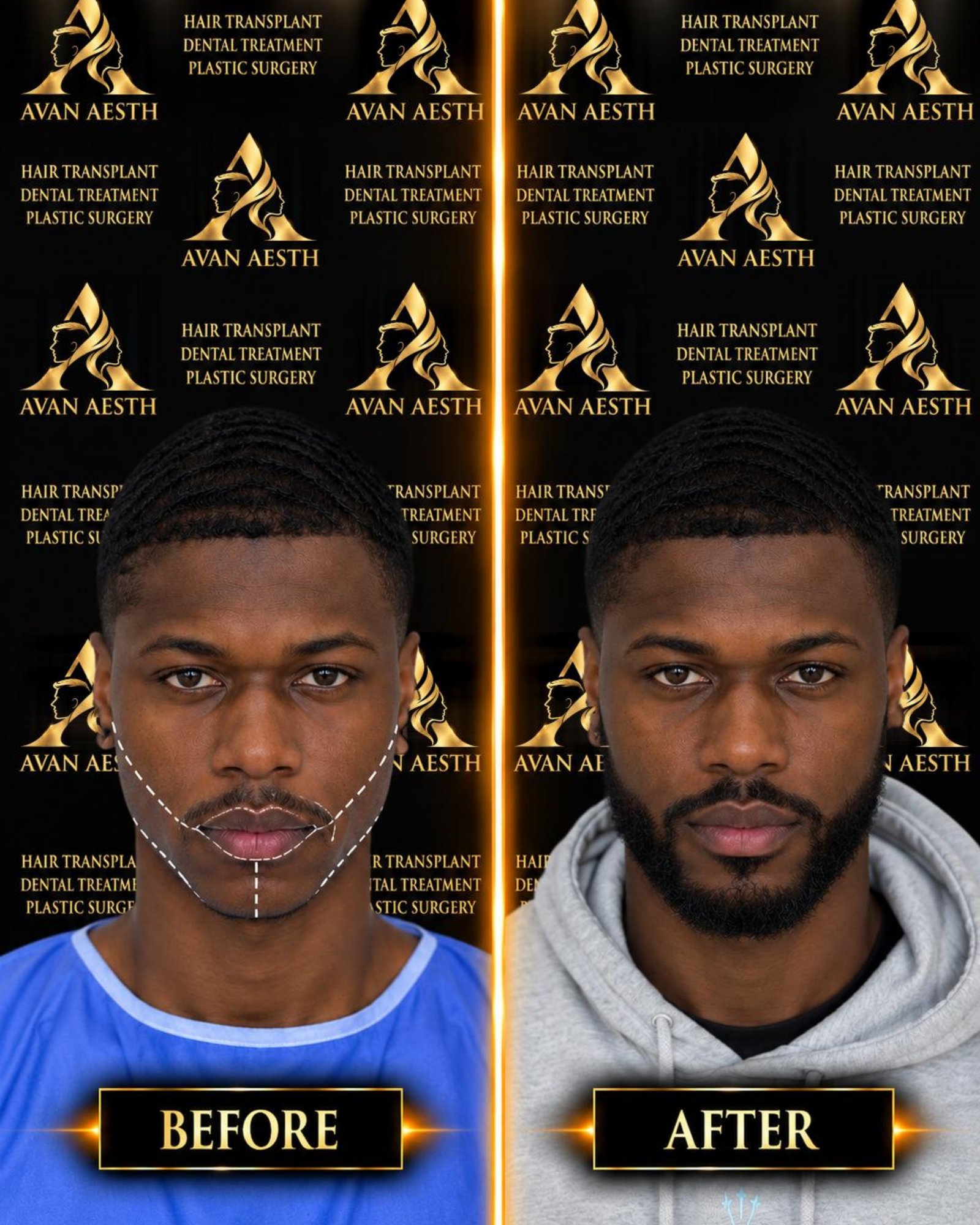
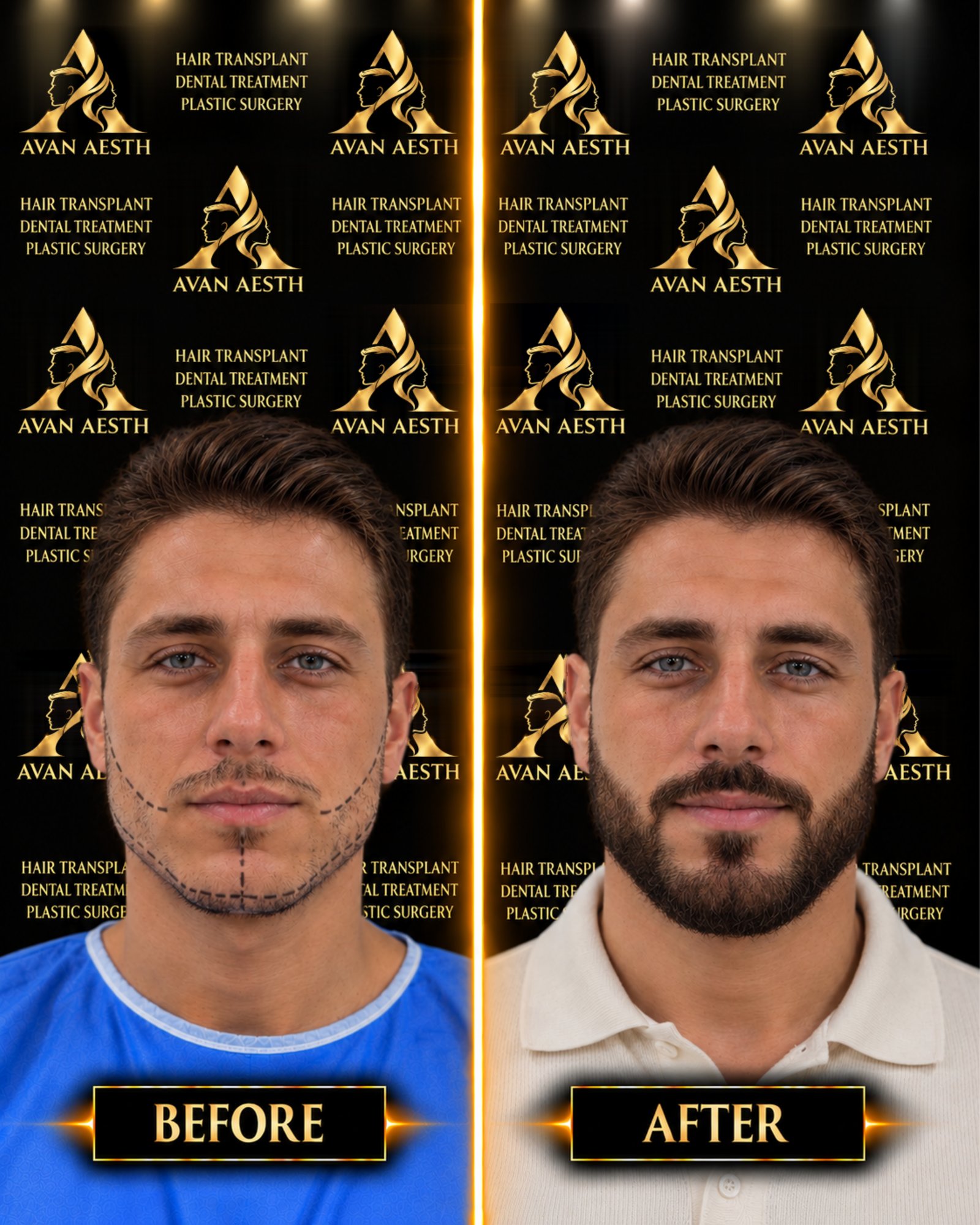
A beard transplant places donor hair follicles in selected beard areas. Planning considers sparse areas, the desired outline and how the transplanted hair will blend with existing facial hair.

General information; it does not replace a medical assessment.

What is a beard transplant?

A beard transplant moves individual hair follicles, usually from the back of the scalp, to sparse or empty areas of the beard, moustache or sideburns. It is planned for people whose facial hair has always been patchy or who have scars in the beard area. The transplanted hairs keep growing and can be shaved or trimmed like normal beard hair.

Who usually considers a beard transplant?

  • men whose beard has always been thin or patchy, for example on the cheeks or around the chin;
  • people with scars from injury, burns, acne or previous surgery in the beard area;
  • people who want a fuller moustache or a more defined beard outline;
  • transgender men who want to add facial hair, after discussing their overall care with their own doctors.

If beard hair has suddenly fallen out in round patches, this can be a sign of a medical condition such as alopecia areata, which should be assessed by a doctor first.

Where do the grafts come from?

The usual donor area is the back and sides of the scalp, where hair is less likely to be affected by hair loss. In some cases hair from under the chin is also used. Because donor hair is limited, the plan should consider whether you may need scalp hair for a hair transplant in the future.

Hair from the back of the head can be similar in structure to beard hair. The treating doctor selects the donor area after an examination, taking into account hair thickness, colour and the number of grafts needed.

How is the beard shape planned?

AreaTypical goalWhat to discuss at the consultation
Cheek lineA clear, natural upper borderHow high the line should be and how it matches your face shape
MoustacheMore density above the lipDirection of growth and how it joins the beard at the corners of the mouth
Chin and goateeFilling gaps in the centre of the beardWhether you plan to keep a full beard or a short style
SideburnsConnecting scalp hair with the beardBlending with your existing hair colour and thickness
ScarsCovering or softening a visible scarWhether the scar tissue has a good blood supply; a test session may be suggested

Facial hair grows at a very flat angle to the skin and changes direction across the face, so the angle of each graft is a key part of a natural result.

What should I expect after a beard transplant?

  1. First days: small crusts and some redness or swelling on the face; you will receive washing and care instructions from the treating provider.
  2. Shedding phase: many transplanted hairs fall out in the following weeks. This is expected and does not mean the grafts have failed.
  3. New growth: new hairs start to grow over the following months, and the final density is assessed later.
  4. Shaving: ask when you can shave or trim again; this is decided by the treating provider.

What are the limitations?

A beard transplant cannot create more donor hair than you have, and very high density may need more than one session. Scalp hair can differ slightly from beard hair in texture or colour. Results vary between individuals; ask for a written plan that explains the areas to be treated and realistic expectations. See also our hair transplant in Istanbul overview and the Eyebrow transplant page.

How does AVAN AESTH help?

AVAN AESTH coordinates your journey; it does not perform treatment. We share your photos and goals with a healthcare provider in Istanbul for an initial assessment, help you compare the written plan, and help arrange your appointments and travel. Suitability and the procedure are decided and performed by the treating provider.

Source for the general information on this page: ISHRS – Beard and moustache transplant.

What to discuss at your consultation

Discuss the beard outline, patchy areas and the direction of existing facial hair. Ask about donor-hair characteristics, grooming after recovery and realistic density.

Personalised treatment plan

Your individual package includes hotel accommodation, airport welcome, VIP transfers, interpreter support and the medicines prescribed by the treating professional. Hair transplant packages also include one PRP session, one mesotherapy session and an aftercare kit (special hat, neck pillow, forehead band, shampoo and lotion); the treating doctor decides on suitability. Your dates and length of stay in Istanbul depend on your treatment plan; before booking, confirm them in writing together with the number of hotel nights and aftercare arrangements.

Travel and length of stay

Ask for an individual schedule before booking flights. Confirm the number of visits, review appointments and when the treating professional expects you to be fit to travel. Some treatment plans require more than one visit.

Follow-up after returning home

Questions & answers

Request information →

Hair transplant

Who can a beard transplant be considered for?

A beard transplant is usually considered for people with a sparse or patchy beard, or with scars in the beard area. An adequate donor area and healthy skin are important. Some skin conditions or a tendency to form keloids are assessed separately. The treating doctor decides on suitability after an examination.

When can I shave after a beard transplant?

Light trimming with scissors or a trimmer is usually possible once the scabs have fallen off, after about 10 days. Shaving with a razor often requires waiting a few weeks so that the skin can heal fully. Use aftershave products carefully in the first weeks. The exact timing depends on your healing.

Do transplanted beard hairs grow like a natural beard?

Transplanted hairs keep the characteristics of the area they came from, so they grow and can be trimmed, though their texture and growth rate may differ slightly from your natural beard. Direction and angle are planned during implantation to match your beard. Most transplanted hairs shed first and then regrow over the following months.

How long do redness and scabbing last after a beard transplant?

Small scabs on the face usually fall off within 7–10 days; mild redness can last a few weeks for some people. Slight swelling may appear in the first days. Do not pick the scabs and wash your face as instructed. If you have significant pain, discharge or increasing redness, send photos to your team; your treating team's instructions take priority.

How many days should I stay in Istanbul for a beard transplant?

A stay of 2–3 days is usually planned for a beard transplant: arrival and examination, the procedure day, and a check-up before you fly home. The stay may be longer if many grafts are needed or if it is combined with another procedure. Your exact schedule is in your written plan; agree on your travel dates with your treating team.

How many grafts are needed for a beard transplant?

It depends on the area to be covered, your existing beard and the density you want. As a general guide, smaller areas such as the moustache or goatee often need from several hundred to around 1,000 grafts, while a fuller beard may need around 2,000 to 3,000 or more. Single- and double-hair grafts are usually used and placed at the natural angle of facial hair. The treating doctor sets the number after an examination.
Plan your consultation

Tell us which treatment you are considering, your country and your preferred contact time. We will help you understand what information is needed for an initial assessment.

2-year follow-up: once you are home, AVAN AESTH follows up with you for two years. You send photos at the times the treatment team recommends, and we pass on your questions and the answers. For hair transplants, a daily photo is requested for the first 10 days.

Travelling from the UK, the US or Canada? Entry, insurance and follow-up at home: read our guides for UK patients, US patients and Canadian patients. See also when we say “no”.

    Beard transplant

    Before & after

    Browse the before-and-after photographs. Results vary between individuals; these images do not predict your outcome. Ask which examples relate to the treatment you are considering.

    Planning your treatment

    Before booking, discuss your goals, suitability, alternatives and risks with the treating professional. Request a written treatment plan and realistic expectations. The plan should be based on your individual assessment.

    Last updated:

    +90 554 228 20 26 info@avanaesth.com Osmanağa Mah., Osmancık Sk., Birlik İş Hanı No:3 İç Kapı No:19, 34714 Kadıköy/İstanbul
    Skip to content Request information