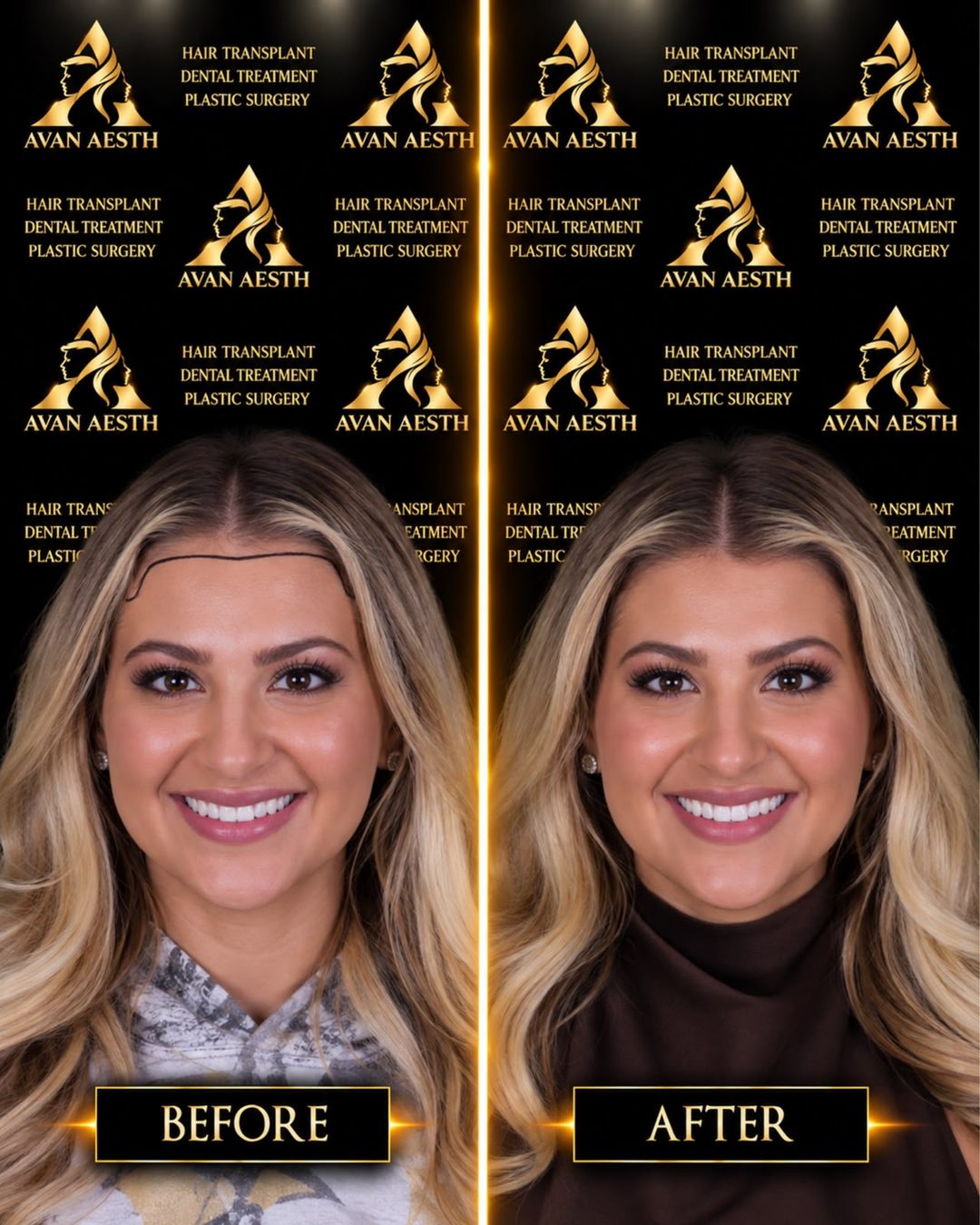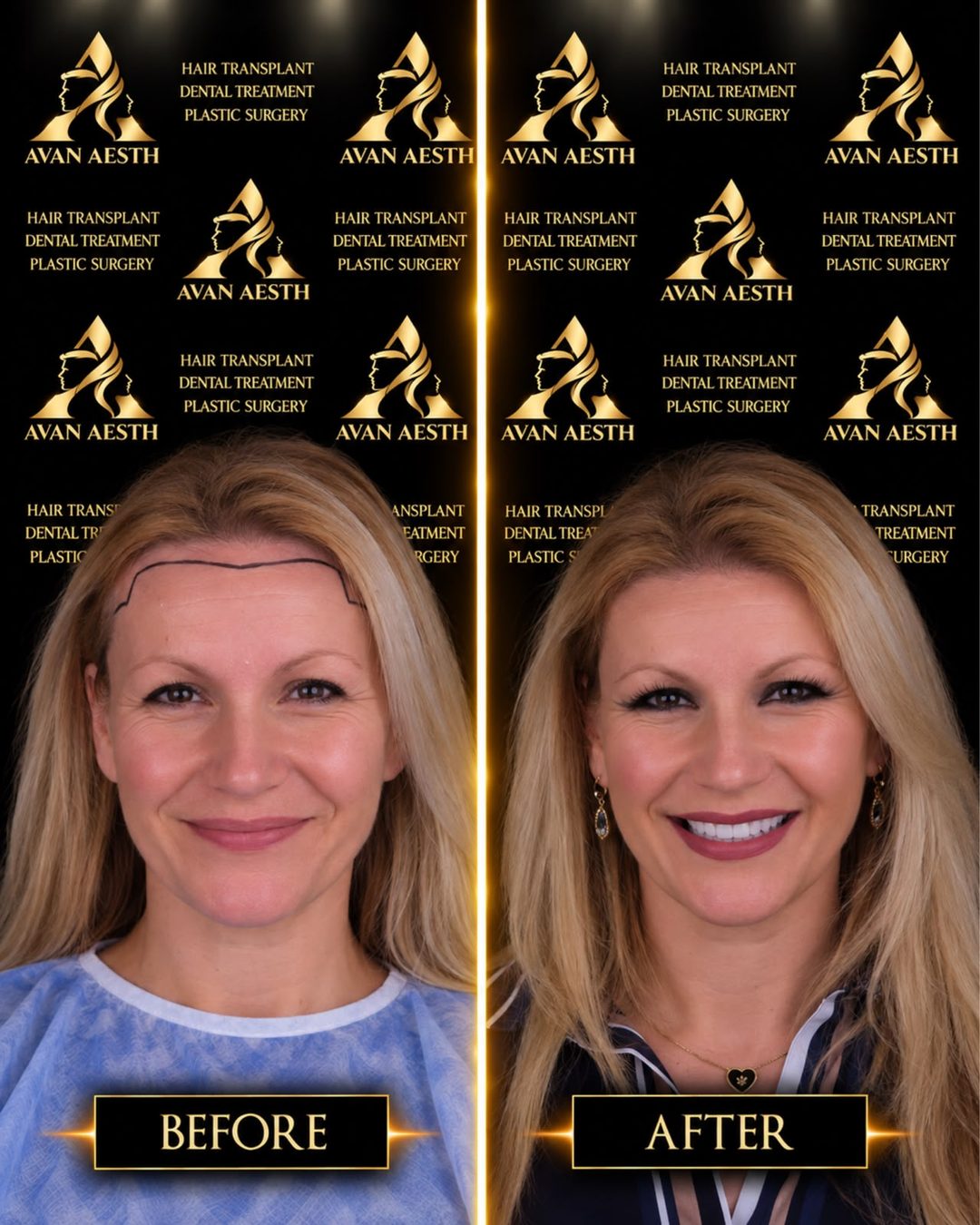
Female hair transplant

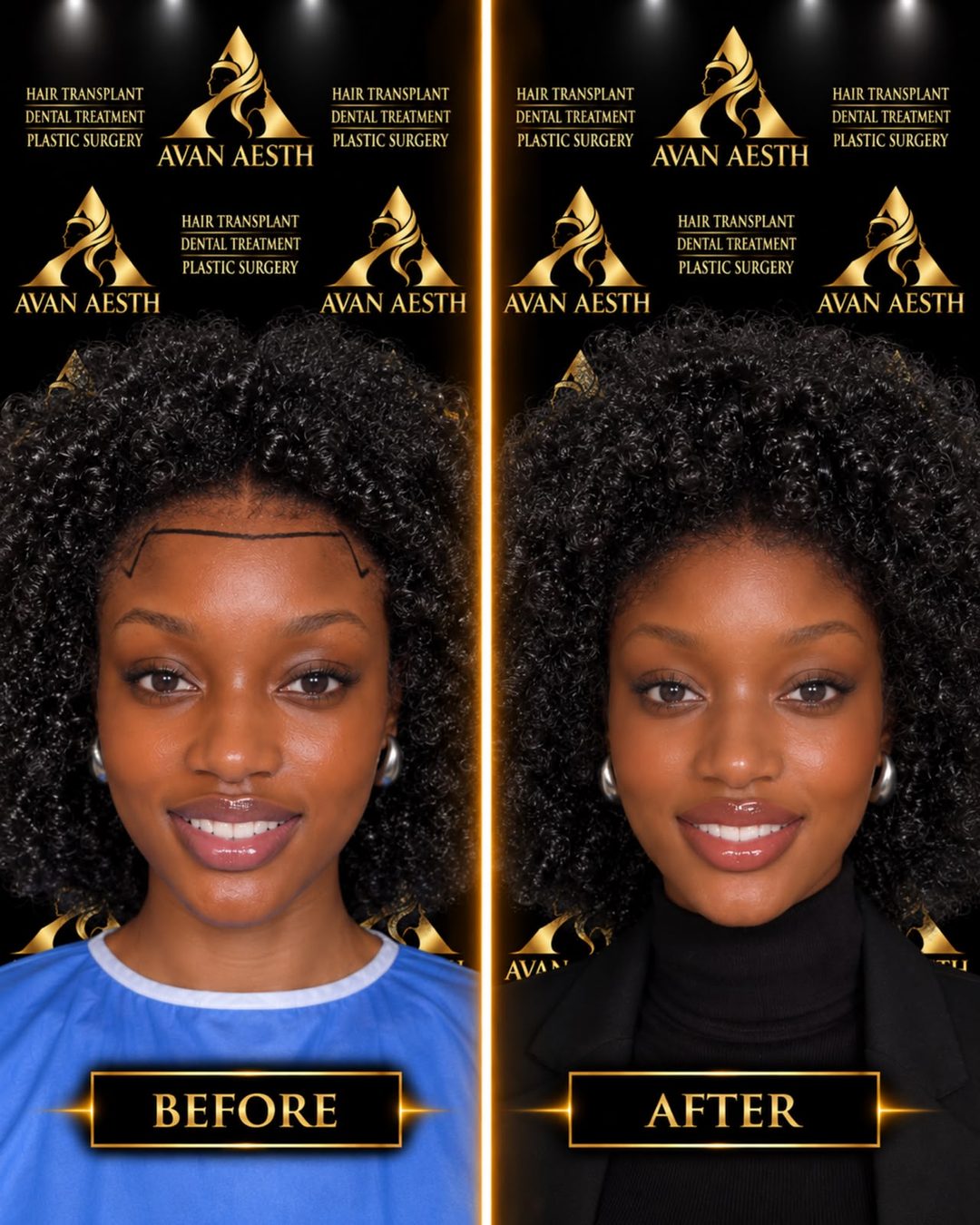
Two female models with curly and straight hair

Female hair transplant in Istanbul

Hair transplantation for women requires an assessment of the cause and pattern of hair loss. The available donor area and individual goals guide whether a transplant can be considered.

General information; it does not replace a medical assessment.

Can women have a hair transplant?

Yes, a hair transplant can be an option for some women, particularly when the cause of hair loss is known, the thinning has been stable and the donor area at the back of the scalp has enough healthy hair. Many women have diffuse thinning that also affects the donor area; in that case, medical treatment is usually discussed before surgery.

How is female hair loss different from male hair loss?

In men, hair loss usually follows a pattern of a receding hairline and a thinning crown. In women it more often appears as a widening parting and overall thinning on the top of the head, while the front hairline is frequently preserved. For this reason a plan for a woman is not a smaller version of a plan for a man: grafts are usually placed between existing hairs, and protecting the hair that is still there matters as much as adding new hair.

What is checked before a female hair transplant?

AssessmentWhy it mattersWhat you can prepare
Cause of hair lossHormonal changes, thyroid problems, iron deficiency, recent illness, stress or tight hairstyles can all cause thinning. Some causes need treatment rather than surgery.Any diagnosis you already have and a list of the medicines you use
StabilityIf hair loss is still progressing quickly, transplanted hair can end up isolated as the surrounding hair continues to thin.When the thinning started and whether it has changed recently
Donor areaThe back and sides of the scalp must have enough healthy hair to move without visible thinning there.Clear photos of the top, back and sides of your head
Scalp conditionActive inflammatory or scarring scalp conditions usually need to be treated and settled first.Reports from a dermatologist, if you have them
Blood testsThe healthcare provider may ask for tests, for example iron or thyroid levels.Recent results, if available
Pregnancy and breastfeedingElective procedures are generally postponed during this period.Tell the provider about your plans

Who may be suitable, and who usually is not?

A transplant may be considered for:

  • stable female pattern thinning with a good donor area;
  • hair loss at the hairline or temples caused by long-term tight hairstyles (traction alopecia), once it has stopped progressing;
  • scars from previous surgery or injury;
  • thin or sparse eyebrows (see Eyebrow transplant).

It is usually not the first option for:

  • diffuse thinning that also affects the donor area;
  • hair loss that is progressing quickly or has not been diagnosed;
  • active scalp disease;
  • shedding after illness, childbirth or severe stress (telogen effluvium), which often improves by itself.

Hair loss after childbirth, stress or iron deficiency is often temporary; causes such as hormones, nutrition or thyroid problems are assessed and treated first. There is no single ideal age: what matters is the cause and whether the hair loss has stabilised.

The treating doctor makes the final decision after examining you.

Updated: 14.10.2026 · Source: NHS – Hair loss; NHS – Hair transplant

Do I have to shave my head?

This is one of the most common questions from women. Whether the donor area is shaved, partly shaved in a strip hidden under longer hair, or left unshaved depends on the technique and on the healthcare provider. Some providers offer unshaven or partially shaven options; these can take longer and may limit how many grafts are moved in one session. Ask about this before you book and make sure the answer is written in your treatment plan.

For women, often only a narrow strip in the donor area is shortened, which can be hidden under longer hair; hair in the area to be treated is usually kept where possible. This means the shaved area can largely be concealed after the procedure. How much shortening is needed depends on the number of grafts and the technique.

FUE or DHI for women?

Both methods take individual follicles from the donor area. DHI uses an implanter pen, which some surgeons prefer when placing grafts between existing hairs; others use FUE with channels opened beforehand, for example with sapphire blades. The technique name alone does not decide the result: the surgeon’s plan for your density and pattern matters more. Read more about Sapphire FUE and DHI hair transplant, or see how the whole process works on our hair transplant in Istanbul page.

Will I still need medical treatment after the transplant?

Often, yes. A transplant moves hair; it does not stop the underlying hair loss. Doctors frequently recommend starting or continuing medical treatment to protect the existing hair. Ask the treating provider which treatment they suggest and how it will be followed up after you return home.

It depends on the cause of your hair loss. Tell us about all medicines and supplements at your first contact, and do not stop or start any medicine on your own.

Updated: 14.10.2026 · Source: NHS – Hair loss

Can a woman from the US or UK plan a hair transplant in one short trip?

For many women it is possible, but the first step is finding the cause of the hair loss. Before a date is set, the treating doctor reviews your photos and may ask about your medical history or recent blood tests, because female hair loss can have causes that a transplant does not treat. If you are suitable, the stay is usually short, around three days, though some plans need more visits or a longer stay. Ask whether an unshaven or partly shaven option is possible for you, as it can affect how long the procedure takes. Everything is confirmed in your written plan, and the 2-year follow-up continues on WhatsApp after you go home.

How does AVAN AESTH help?

AVAN AESTH is a patient coordination service, not a clinic. We collect your information and photos, share them with a healthcare provider in Istanbul for an initial assessment, help you understand the written plan, and help organise your appointments and travel. The medical assessment, the decision on suitability and the procedure itself are the responsibility of the treating healthcare provider.

Sources for the general information on this page: ISHRS – A guide to hair transplant for women; American Academy of Dermatology – Female pattern hair loss.

What to discuss at your consultation

Discuss the cause and progression of hair loss before choosing transplantation. Ask whether the donor area is suitable and whether medical alternatives should be considered first.

Personalised treatment plan

Your individual package includes hotel accommodation, airport welcome, VIP transfers, interpreter support and the medicines prescribed by the treating professional. Hair transplant packages also include one PRP session, one mesotherapy session and an aftercare kit (special hat, neck pillow, forehead band, shampoo and lotion); the treating doctor decides on suitability. Your dates and length of stay in Istanbul depend on your treatment plan; before booking, confirm them in writing together with the number of hotel nights and aftercare arrangements.

Travel and length of stay

Ask for an individual schedule before booking flights. Confirm the number of visits, review appointments and when the treating professional expects you to be fit to travel. Some treatment plans require more than one visit.

Follow-up after returning home

Questions & answers

Request information →

Hair transplant

Which tests may be requested before a hair transplant for women?

To understand the cause of hair loss, blood tests may be requested for some people, for example iron stores, thyroid and hormone levels. Which tests are needed depends on your medical history and the examination findings. Sharing existing test results and the medicines you take in advance makes planning easier. The treating doctor decides which tests are needed.

Can a high hairline be lowered with a hair transplant?

A naturally high hairline can be moved forward with a hair transplant for some people; this requires designing the hairline to suit your facial proportions. How far it can be moved depends on donor capacity and your hair characteristics. In some cases other methods may also be discussed. The treating doctor decides on suitability and method after an examination.

Can a hair transplant be done during pregnancy or breastfeeding?

Cosmetic procedures are usually postponed during pregnancy and breastfeeding; medicines and anaesthesia need particular care during this time. Hair loss after childbirth is also often temporary and may improve on its own. Let the team know about your situation in advance; the treating doctor decides on the timing of any procedure.

How many grafts are needed for a hair transplant for women?

For women, the number of grafts usually ranges from about 1,000 to 4,500, depending on the size of the area, the capacity of the donor area and the density you want; the Norwood scale used for men is not used for women. The exact number is set at the examination. For a preliminary assessment, send clear photos from the front, sides and top. Updated: 14.10.2026 · Source: practice of the teams AVAN AESTH works with; the final decision is made at the examination

When will I see results after a hair transplant for women?

New hair usually starts to appear from about the third or fourth month, and the result is usually assessed within 12–18 months. Shedding of the transplanted hairs in the first weeks is normal; some women also notice temporary shock loss in the surrounding hair. Progress varies from person to person; the photos you send during follow-up are passed on to the treating team. Updated: 14.10.2026 · Source: practice of the teams AVAN AESTH works with; the final decision is made at the examination

What is included in the package for a hair transplant for women?

The full package contents are listed under “Personalised treatment plan” and the 2-year follow-up schedule under “Follow-up after returning home” on this page; the treating doctor decides whether PRP and mesotherapy are suitable for you, and no advance payment is taken. Updated: 14.10.2026 · Source: AVAN AESTH package and follow-up terms

Will people notice the shaved area when I fly home?

Often only a narrow strip in the donor area is shortened, and it can usually be hidden under longer hair. Whether an unshaven or partly shaven option suits you is decided by the treating doctor and written into your plan.

Plan your consultation

Tell us which treatment you are considering, your country and your preferred contact time. We will help you understand what information is needed for an initial assessment.

2-year follow-up: once you are home, AVAN AESTH follows up with you for two years. You send photos at the times the treatment team recommends, and we pass on your questions and the answers. For hair transplants, a daily photo is requested for the first 10 days.

Travelling from the UK, the US or Canada? Entry, insurance and follow-up at home: read our guides for UK patients, US patients and Canadian patients. See also when we say “no”.

    Female hair transplant

    Before & after

    Browse the before-and-after photographs. Results vary between individuals; these images do not predict your outcome. Ask which examples relate to the treatment you are considering.

    Planning your treatment

    Before booking, discuss your goals, suitability, alternatives and risks with the treating professional. Request a written treatment plan and realistic expectations. The plan should be based on your individual assessment.

    Last updated:

    +90 554 228 20 26 info@avanaesth.com Osmanağa Mah., Osmancık Sk., Birlik İş Hanı No:3 İç Kapı No:19, 34714 Kadıköy/İstanbul
    Skip to content Request information